

Corporate training
Tender and contract training tailored to companies and institutions
Our practice-oriented corporate training programmes, prepared according to the actual workflows of companies and institutions
What does this page provide?
Tender and contract training tailored to companies and institutions, structured around needs analysis, workshops, case studies, executive briefings and mentoring.
Who is it for?
Companies Participating in Tenders
Teams that review tender notices and documents, prepare qualification documents, calculate costs, submit electronic tenders and use review and appeal procedures.
Companies Signing Contracts
Contractors managing commencement of work, work schedules, correspondence, progress payments, price adjustments, time periods, delivery, inspection and acceptance, and guarantee processes.
NATO and Defence Industry Suppliers
Companies preparing for confidentiality, security, technical competence, supply chain, document security and special contract conditions.
Bidders under Law No. 2886
Natural and legal persons participating in tenders for the sale or lease of public immovable property or the establishment of easement rights over such property.
Bidders for exception and direct procurement purchases
Suppliers managing the tender, documentation, contract and registration processes under special procurement arrangements.
Contracting authorities preparing tenders
Institutional teams involved in needs assessment, estimated contract value, technical specifications, tender documents, approval and evaluation procedures.
Contracting Authorities Managing Contracts
Teams responsible for control, supervision, progress payments, price adjustments, amendments, inspection and acceptance, termination and guarantee procedures.
Executives and Decision-Makers
Senior and middle managers who focus on decision points, segregation of duties, financial and legal consequences, and internal control arrangements rather than detailed legislation.
Training modules
Filter according to your organisation’s situation; the programme is built from the modules you select.
Pre-Tender Preparation and Internal Planning
Requirements, allocation of responsibilities, market research, estimated contract value, timetable, approval and control arrangements.
Review of the Notice and Tender Documents
Notice, specifications, draft contract, inconsistencies, risky provisions, and timing of questions/applications.
Qualification and Tender File
Professional experience, economic and financial standing, technical documents, authorisation and signature, bid security, and final review.
EKAP and Electronic Tendering
Registration, qualification information table, electronic tendering, document submission, notification and deadline management.
Tender and Non-Price Factors
The most economically advantageous tender, non-price factors, scoring and the grounds for the tender decision.
Cost and Abnormally Low Tenders
Key tender components, methods of explanation, supporting documents, and the relationship between cost and contract.
Application and Dispute Resolution Procedures
Complaint to the contracting authority, appeal to the KİK and litigation; time limits, standing, subject matter of the application and implementation of decisions.
Invitation to Contract Signing and Commencement of Work
Pre-contract documents, performance security, site handover, work programme and technical personnel.
Contract Performance
Notifications, correspondence, time extensions, increases/decreases in the scope of work, amendments, subcontractors and record-keeping procedures.
Progress Payments, Price Adjustments and Financial Matters
Measurement, accruals, deductions, payment, price adjustments, final accounts and financial audit.
Delivery, Inspection and Acceptance
Delivery document, sample, incomplete or defective work, provisional and final acceptance, and release of the performance security.
Penalties, Termination, Debarment and Security
Delay, non-compliance, termination conditions, prohibited acts and conduct, and the consequences of forfeiture of security as revenue.
Tenders under Law No. 2886
Sale, lease and easement rights; estimated value, specifications, bid security, decision and contract.
Exemptions and Direct Procurement
Legal basis, duties and authority, obtaining bids, market research, contract and record-keeping procedures.
NATO and Defence Industry Procurement
Supplier readiness, security and confidentiality, technical competence, quality, delivery and special contract terms.
International Tender Preparation
Preparation based on notice sources, document language, qualification requirements, joint ventures, the timetable and country-specific regulations.
Contract Notice and Tender Document Preparation
How the contract notice and tender document should be prepared.
Tender Evaluation
Working principles of the tender commission.
Tender Conduct and Process Management
Principles for decision-making by the tender authority.
Programme types
- 1
Executive Briefing Session
Decision points, responsibilities, financial and legal implications, and internal audit. Typical duration: 1-2 hours; in person or online.
- 2
Topic-Focused Training
A single topic such as e-tendering, abnormally low tenders, price adjustment, progress payments, inspection and acceptance. Indicative duration: 2–4 hours; presentation and case study.
- 3
Process Training
Coverage of the tender or contract process from start to finish. Indicative duration: 4–8 hours; practical exercises and questions and answers.
- 4
Advanced Modular Programme
Related modules selected according to the procurement types and units of the company or contracting authority. Indicative duration: 1–3 days; programme delivered by multiple trainers.
- 5
Role-Specific Practical Workshop
A tailored workshop for tender, technical, legal, finance, inspection or acceptance teams. Duration based on requirements; includes work on files and documents.
- 6
Post-Training Implementation Support
Fixed-term support for applying the method learned to actual workflows. The duration is agreed separately; available online or in a hybrid format.
1. Our Training Approach
Public procurement and contract procedures require legal, financial and technical units, tender preparation teams, procurement, project management and senior management to work in coordination on the same file. Kılıç Kurumsal Danışmanlık A.Ş. (Kılıç Kurumsal) prepares training programmes tailored to the needs of companies and institutions in order to develop their knowledge and practical competence in these processes.
Training is not delivered by presenting the same ready-made presentation to every participant in the same way. The institution’s field of activity, the procurement regime to which it is subject, the participants’ duties and level of knowledge, problems encountered in the past and the intended outcomes are assessed in advance. The scope, duration, method and trainers for the programme are determined according to this assessment.
The aim is not merely to convey knowledge of legislation. The objective is to enable participants to read the contract notice and tender documents together, ask the right questions, check documents and time limits, anticipate the financial and legal consequences of contractual provisions and complete the procedures within their remit on time.
Two interconnected processes
- Tender process: extends from reviewing the contract notice and documents through to signing the contract.
- Contract process: continues from commencement of the work through to progress payments, inspection and acceptance, final accounts and return of the guarantee.
The training programme addresses these two processes without separating them from each other.
2. Competencies Intended to Be Developed Through Training
- Reviewing the contract notice, administrative specifications, technical specifications, draft contract and annexes in conjunction with one another.
- Checking qualification, authority, signature, declaration, guarantee, work experience and technical compliance documents in terms of time limits and content.
- Establishing arrangements for duties, checks and final approval in EKAP and electronic tender procedures.
- Assessing tender costs together with contractual risks; preparing an abnormally low tender explanation with supporting documents.
- Recognising distinctions concerning the subject matter, standing and time limits in complaints to the contracting authority, appeals to the KİK and court proceedings.
- Managing records concerning commencement of work, notifications, work programmes, progress payments, price adjustments, time extensions, increases/decreases in work and correspondence.
- Assessing in advance the consequences of inspection and acceptance, incomplete or defective performance, delay penalties, termination, debarment and guarantees.
- Clearly defining the points for allocating duties and transferring information between tender, legal, financial and technical units.
3. Sample Advanced Modular Programme
The schedule below is a sample programme. The modules, trainers and durations are adjusted according to the institution’s needs following the preliminary meeting.
| Day | Training topic | Trainer | Sample duration |
|---|---|---|---|
| Day 1 | Review of the contract notice and documents; qualification and e-tendering | Ruhi ARSLAN | 3 × 40 min + questions and answers |
| Day 1 | Abnormally low tenders and explanation documents | Murat AŞKIN | 40 min + 10 min questions and answers |
| Day 1 | Tender cancellations; complaints to the contracting authority and appeals to the KİK | İlyas KILIÇ / Lawyer Işıl KILIÇ EROL | 2 × 40 min + questions and answers |
| Day 2 | Invitation to contract, signature and commencement of work | Ruhi ARSLAN / Lawyer Işıl KILIÇ EROL | 40 min + 10 min questions and answers |
| Day 2 | Work programme, progress payments, price adjustments, deductions and acceptance | Dr. Emrah KESGİN | 3 × 40 min + questions and answers |
| Day 2 | Consequences of termination, debarment and guarantees | Lawyer Işıl KILIÇ EROL | 2 × 40 min + questions and answers |
4. Trainers and Topic Allocation
The trainer is selected according to the programme topic; tendering, contracts, financial matters, abnormally low tenders and legal applications are not necessarily assigned to a single person. Different trainers may work together on programmes requiring multiple areas of expertise. The final assignment is specified in the training proposal.
| Trainer | Role and expertise | Main programme topics |
|---|---|---|
| İlyas KILIÇ | Public Administration Specialist · Public Procurement Law Consultant | Tender process, tender cancellations, application procedures, Law No. 2886 and executive sessions |
| Lawyer Işıl KILIÇ EROL | Public Procurement Law Consultant | Complaints to the contracting authority and appeals to the KİK, contract law, termination, debarment, guarantees and legal risks |
| Dr. Emrah KESGİN | Public Finance and Tax Specialist · Public Procurement Contracts Consultant | Works contracts, progress payments, price adjustments, financial and monetary matters, work programmes and acceptance |
| Murat AŞKIN | Abnormally Low Tender Explanation Consultant | Tender costs, abnormally low tender enquiries, explanation methods and supporting documents |
| Ruhi ARSLAN | Public Administration Specialist | Review of contract notices and documents, e-tendering, tender evaluation, invitation to contract and the signature process |
5. How Is the Training Prepared?
- Training request — The topic, number of participants, duty groups, preferred date and delivery format are provided.
- Preliminary meeting and needs analysis — The field of activity, types of procurement, current level of knowledge, problems encountered and expected outcomes are identified.
- Programme and written proposal — The modules, trainers, duration, method, venue/online environment, fee and documents to be delivered are specified.
- Preparation — The presentation, case studies, selection of legislation/decisions and documents to be used are prepared in accordance with the programme; any necessary redaction is carried out.
- Training and practice — The presentation is supported by questions and answers, document reviews, time-limit calculations, group work or sample decisions.
- Completion and assessment — Participation details and completed topics are recorded; where deemed appropriate, a certificate of participation and a recommendation for subsequent work are provided.
6. Training Method and Documents That May Be Provided
- Training may be delivered face to face in Ankara, at a location specified by the company/institution, online or through a blended method.
- In addition to examples of legislation and decisions, training may include reviews of anonymised documents/files and case studies.
- Depending on the participant group, an executive information note/summary, practitioner presentation, checklist, sample document or training note may be prepared for the training.
- Once the programme and participation requirements have been completed, Kılıç Kurumsal Danışmanlık A.Ş. issues a “Certificate of Participation in Tender and Contract Training”.
- If separately agreed in the proposal, post-training implementation support may also be provided within specified time periods and limits.
7. Confidentiality, Professional Boundaries and Outcomes
Documents belonging to the company or institution that will be used in the training are identified in advance. Trade secrets, personal data, prices and sensitive information are not introduced into the training environment unless necessary. Where an actual file is used, appropriate anonymisation and access restrictions are applied. Information security and authorisation requirements are also observed separately in matters relating to NATO and the defence industry.
The training is intended to develop knowledge and practical competence. No assurance is given that the tender will be won, the bid will be accepted or no dispute will arise under the contract. Participation in the training does not confer an official professional title or qualification on behalf of a public body. Matters requiring legal advice, legal practice or representation in judicial proceedings are assessed separately within the framework of the relevant legislation and professional rules.
Trainers

İlyas KILIÇ
Public Administration Specialist
Manages the scope of the company's work, specialist assignments, communication arrangements and delivery process in the field of public procurement and tender contracts.
View the biography
Lawyer Işıl KILIÇ EROL
Lawyer
Supports the scope of the company’s work, the assignment of experts and process oversight; responsible for coordination with professional organisations involved in the conduct of legal matters.
View the biography
Former Inspector Ruhi ARSLAN
Public Administration Specialist
Contributes to reviews of processes, documents and practices in tender and contract files, drawing on experience in public procurement, audit, supply, and inspection and acceptance processes.
View the biography
Murat AŞKIN
Abnormally Low Tender Specialist
Works on tender preparation, tender commission activities, tender costing and abnormally low tender explanations; contributes to the evidence-based preparation of explanation files.
View the biography
Muhsin BULUT
German Public Procurement Specialist
Works on tender documents, qualification requirements, application schedules and joint working arrangements for German public procurement and preparations for international tenders.
View the biography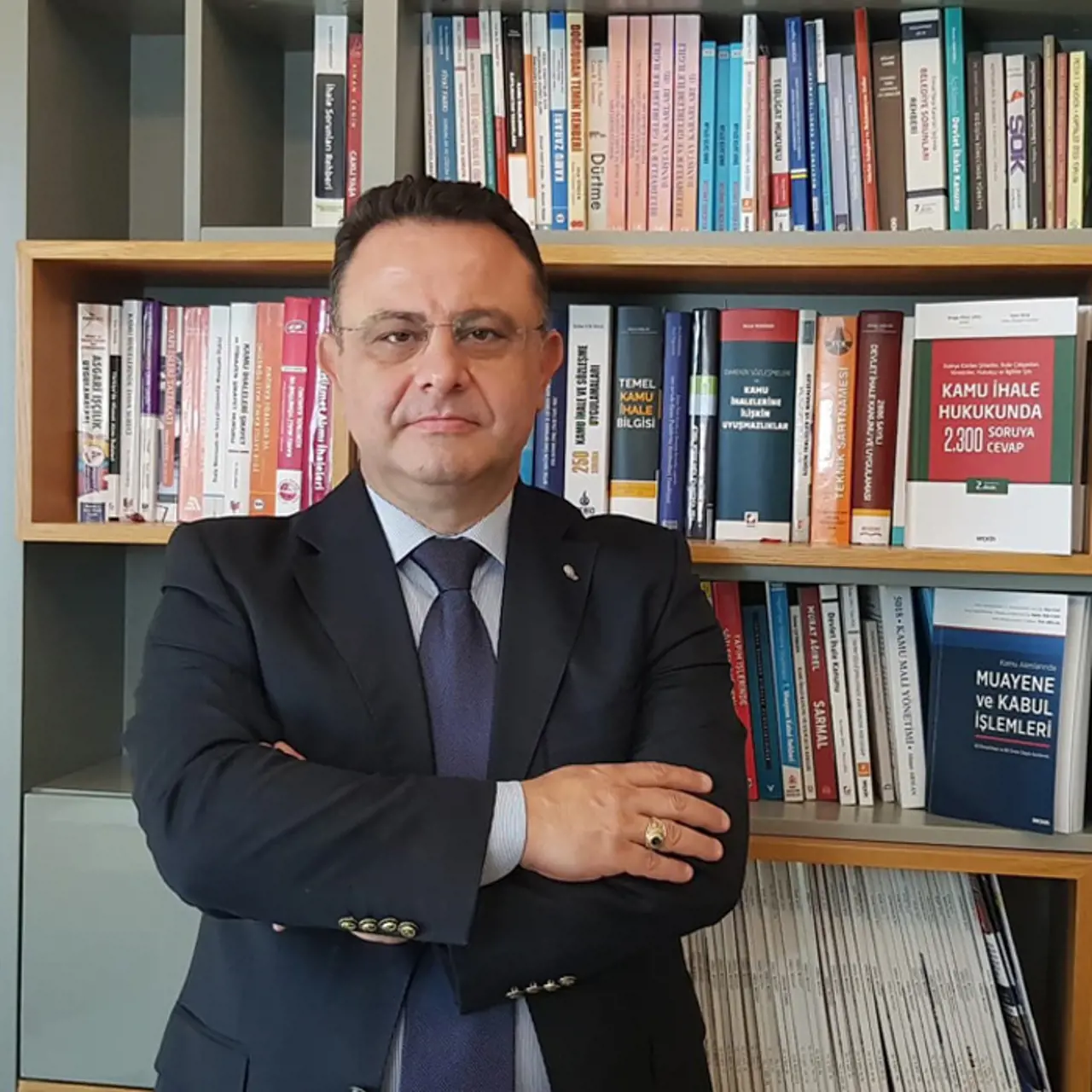
Dr. Emrah KESGİN
Public Finance and Tax Specialist
Works in public finance, taxation, accounting, auditing and the financial aspects of public contracts; reviews contract implementation, progress payments and financial matters.
View the biography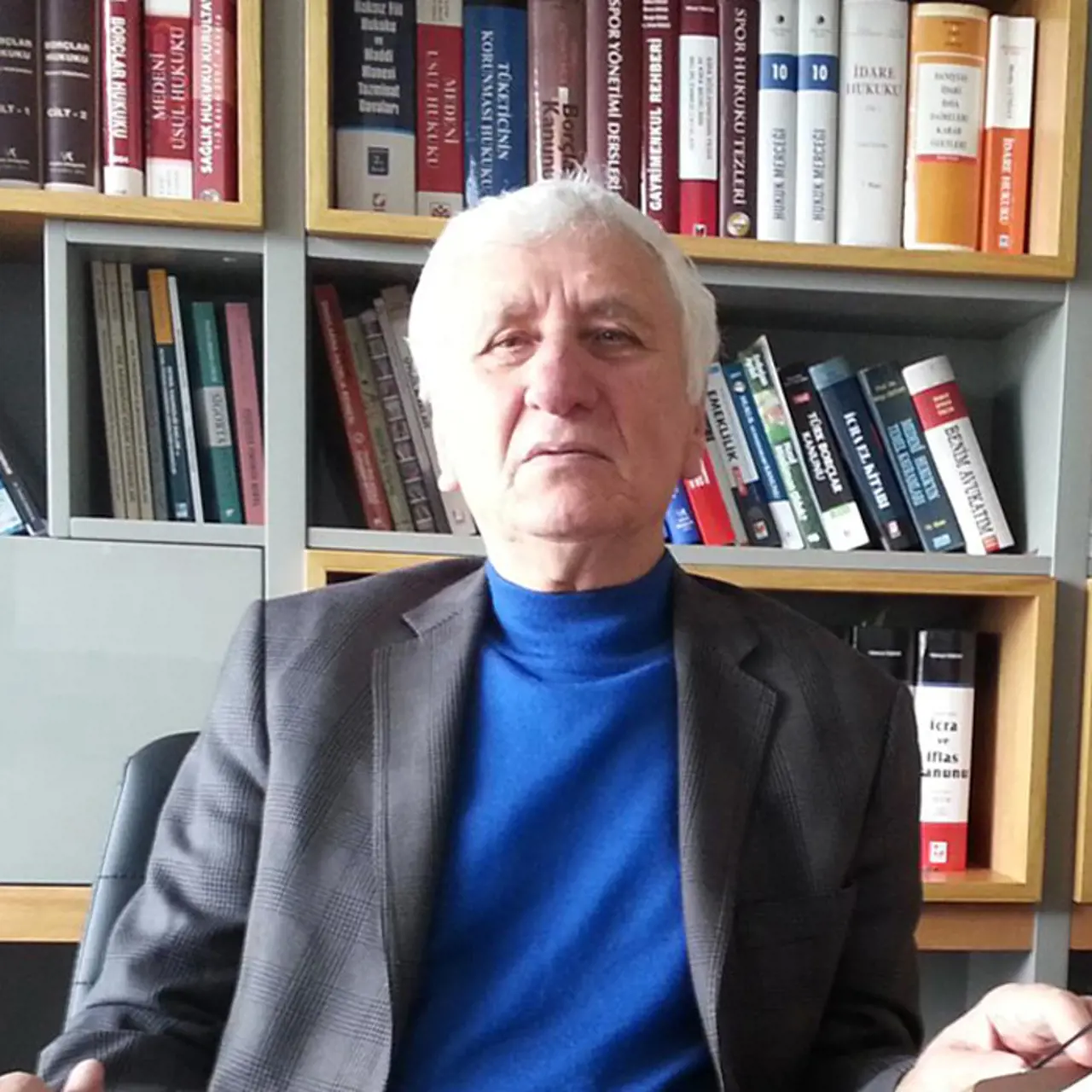
Sworn-in Certified Public Accountant Fahri ARSLAN
Retired Auditor
Works on financial review, accounting and audit matters; contributes to understanding the numerical aspects of progress payments, price adjustments, deductions and monetary disputes.
View the biography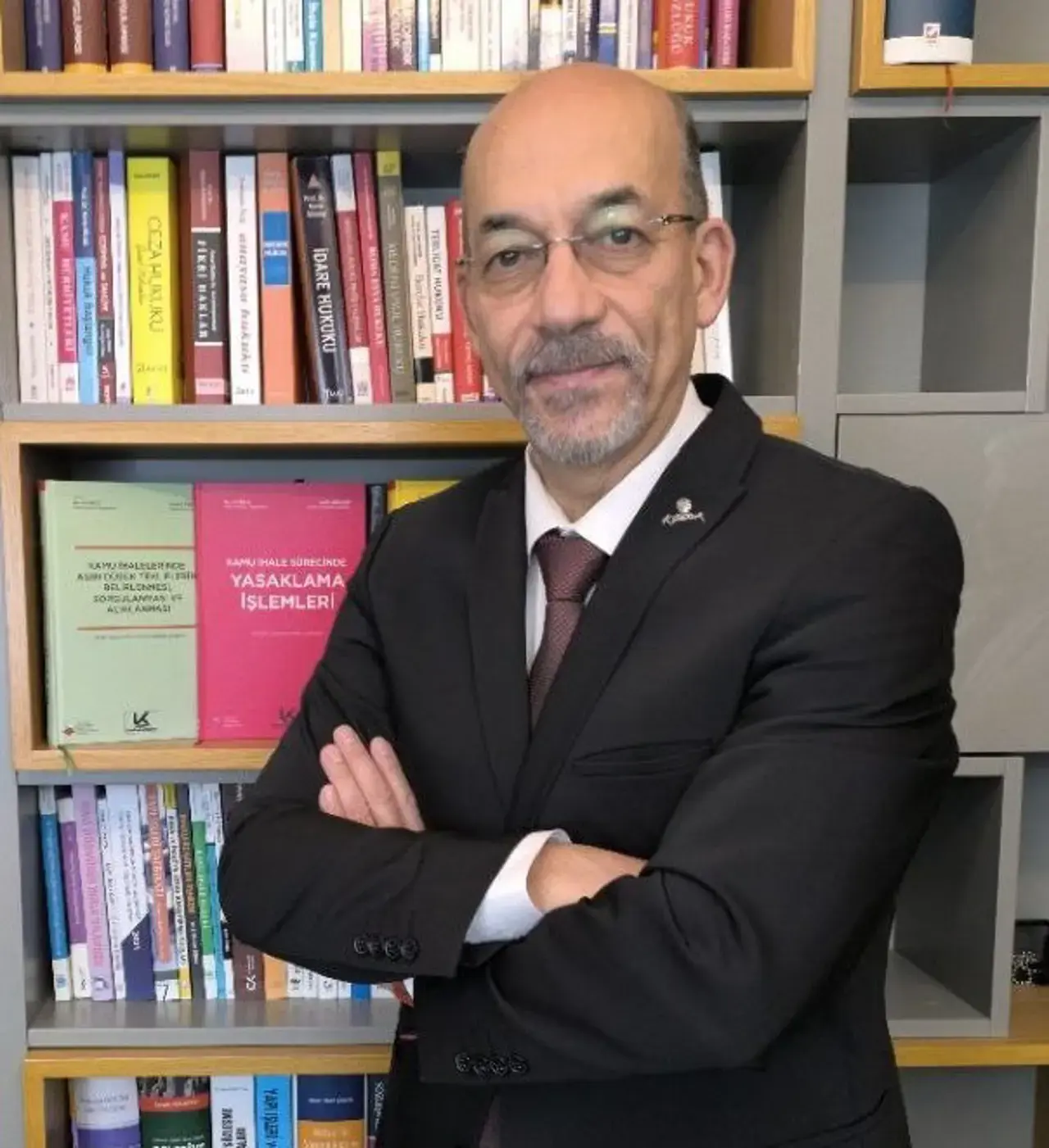
Taner ÖZDEMİR
Defence and Security Procurement Specialist
Works on confidentiality, technical competence, supply chains, documentation and special procurement requirements in defence and security procurement.
View the biography
Pricing
Factors that determine the price
- Number of modules selected and total duration of the programme
- Number of participants and level of knowledge
- In-person, online or blended delivery
- Preparation of organisation-specific case studies and documents
- Need for post-training support and reporting
The written quotation process
No fixed price list is published; each programme has a different scope. After your request is reviewed, a short preliminary meeting takes place; the programme, out-of-scope items, documents to be provided, dates, delivery format and fee are then set out clearly in the written quotation.
The legal review of a specific dispute, legal opinions, litigation and representation services are not included in the training fee; if such a need exists it is handled in a separate professional framework.
Why Kılıç Kurumsal?
Publications and Professional Expertise
Books, reference resources and field experience.
Confidentiality Approach
Institutional documents and commercial information are handled in accordance with the principle of confidentiality.
Tailored Programme
Not an off-the-shelf presentation, but content designed around the organisation's workflow.
Certificate of Attendance
A certificate is issued to participants at the end of the programme.
Clear Service Boundaries
The distinction between the scope of training and legal representation is set out in writing from the outset.
Trainer by Area of Expertise
An expert who actively applies the subject matter is assigned.
Frequently asked questions
Why should the manager of a company participating in a tender arrange company-specific tender training?
Should general tender training or company-specific tender training be preferred?
Who within the company should attend tender training?
How is the content of tender training determined according to the company's field of activity and the tenders it targets?
Can the company’s actual tender documents and previous bid files be used in the training?
Does the training include practical demonstrations of EKAP, electronic bidding, e-signatures and document uploads?
Are qualification documents, work experience, financial standing and bid security covered in the training?
How does tender training help reduce errors in bid preparation and the risk of exclusion from the tender?
Let us define your training need together.
Send us the topic, participant profile and duration; we will design the programme around your organisation and reply with a written quotation.
Articles
Practical articles on training tender units, continuous advisory support and workflows.
6 min read
Artificial Intelligence in Public Procurement and Contract Processes: Internal Workflow and Control Points
Artificial intelligence can save time in summarising tender documents, extracting tables and checklists, and drafting question lists and internal briefing notes. This article explains how AI can be built into a tender unit's workflow, which data should not be entered into these systems and with which checks and records each output should be used.
Read more10 min read
How Should Procurement Training Be Organised in Firms Participating in Tenders?
Setting up a tender unit is the first step for firms that regularly take part in public tenders. For the unit to do its work over time, it needs a practical training programme planned around each person's role and repeated at regular intervals, covering Laws No. 4734 and No. 4735, EKAP, bid preparation and contract performance. This article describes the modules of such a programme, how it can be delivered and how its results can be kept within the firm.
Read more9 min read
The Role of Continuous Advisory Support and Training in Corporate Tender Processes
In corporate firms that regularly take part in public tenders, the tender unit works alongside the technical office, bid, finance, purchasing and site teams. Continuous tender advisory support, which backs up the unit's daily work from outside on a regular, file-based basis, and procurement and contract training designed around each role are two complementary elements that strengthen document control and deadline management.
Read more